Real Talk for owners.
3 lessons every service business owner can take from a Hall of Fame waste hauler.

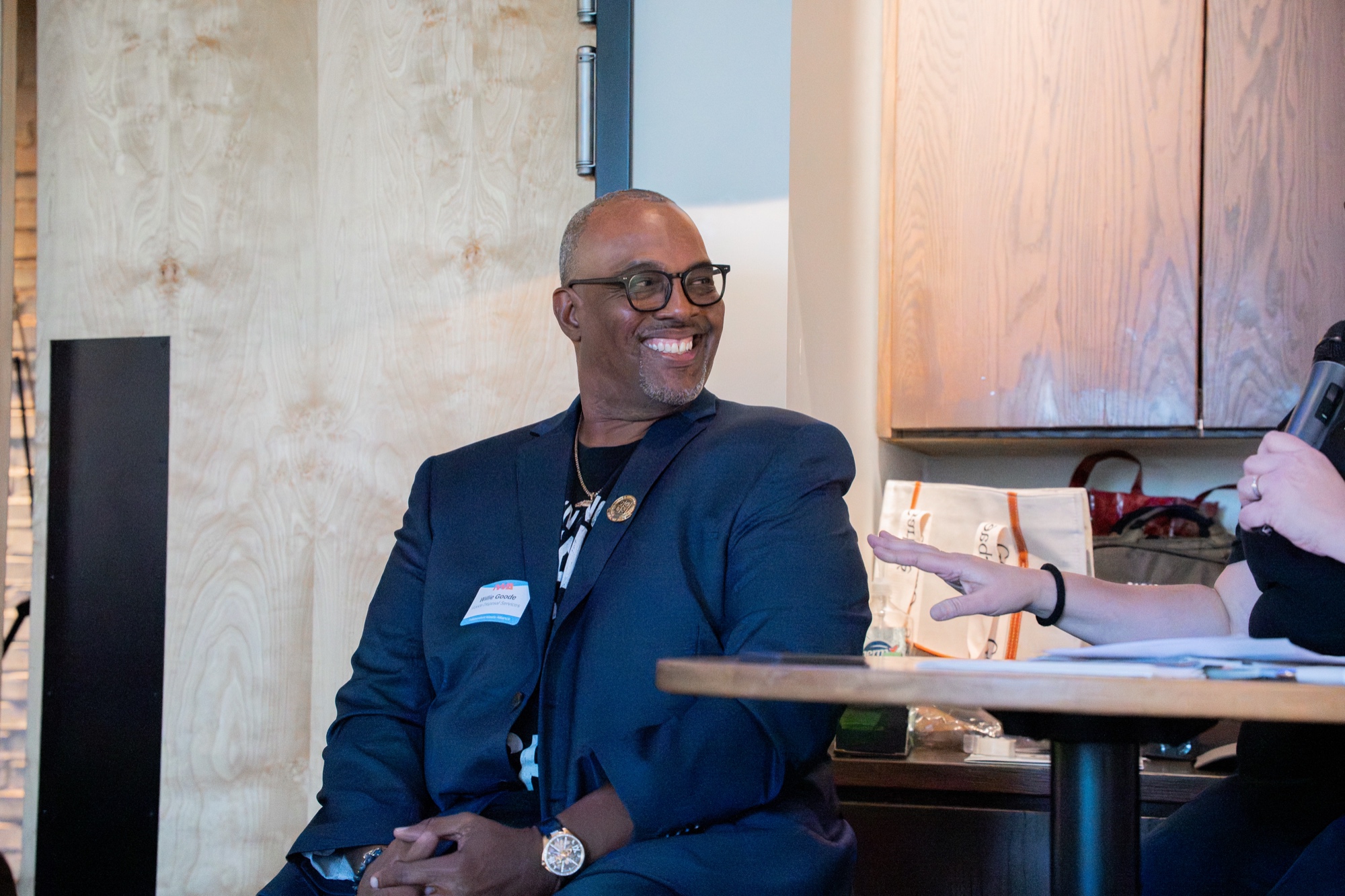
A Hall of Famer breaks it down.
- 01 Language
- 02 The first 30 days
- 03 Competition as collaboration
At the IWA Chapter Kickoff for Charlotte, the headliner was Willie Goode.
If you don’t know who he is, here’s the short version. He started riding a garbage truck in Southeast DC at 13 because his mom didn’t want him on the streets in the summer. He was driving 16-speed trucks downtown at 15. He bought his first three trucks by 1991. Today, he runs 450 route trucks across DC, Virginia, and Florida. NWRA Hall of Fame, 2020.
I went in to network, and I came out with a full belly from delicious BBQ, new connections, and 3 lessons worth sharing with anyone trying to grow a service business.
I’m a marketer. Willie isn’t, and he’d be the first to tell you. But the man has been at this for 35 years, and a Hall of Famer is a Hall of Famer for a reason. Here are 3 things he shared that any hauler can put to work.
1. The words you use for your people carries real weight.
Willie’s had 1,200 people on payroll at peak. He doesn’t have a single employee.
“Everybody’s a coworker. We work together. My motto is let’s get this shit up together.”
That’s not HR-speak. That’s a deliberate choice about language, and it shows up in how he hires, how he keeps people for 20+ years, and how he runs his meetings.
Why does this matter? Word-of-mouth is the dominant marketing channel in this industry whether you’ve planned for it or not. Your drivers and crew talk to your customers on a daily basis. The way you talk to and about your team influences what they say and how they talk about you when you’re not in the room. You can have a crew that champions your brand, or a crew that talks trash about you (pun intended).
If you call your guys “labor,” they’ll show up like labor in front of customers. If you call them coworkers, partners, family, they’ll show up that way too. Vocabulary permeates, so pick your words on purpose.
2. “New customers don’t get mistakes.”
When Willie inherited a new route in Palm Beach County, he personally drove out and photographed 78 dumpsters before service started. He got out of the car. Opened the gates. Checked the wheels. Made notes. The man runs 450 trucks and he was out there with a phone camera in a parking lot.
His own framing of it:
That’s his rule.
The first 30 days of any new account is when your reputation gets decided in their head. Not when you signed them. Not when you sent the welcome email. The first time you show up, the first invoice, and most importantly, the first time something goes sideways and they watch how you handle it.
Most service businesses spend the bulk of their marketing dollars winning new customers and almost nothing protecting the first 30 days. The math is brutal. A customer who fires you three weeks in cost you more than one you never won, because you paid to bring them in and now they’re telling people in your service area why they left.
Willie’s version of a customer experience strategy is one sentence long: New customers don’t get mistakes. That’s it. It’s not an entire blueprint for a customer experience strategy, but this alone carries a whole lot of weight, it’s worked well for Willie, and every service business can strive to follow it.
3. Your competitors are also your network.
In 1996, Willie saw a contract in Frederick County, Maryland. So did his competitor, a guy named Bruce. Neither one of them could shoulder the bond and 13 trucks alone. They put the bid in together, won the route, and named the company Unity, after his favorite Queen Latifah song. The logo is a handshake, a symbol of how the deal came to be. The truck color is his blue mixed with Bruce’s green. They got teal.
30 years later, Unity runs 104 trucks a day and handles 90% of Montgomery County.
A lot of owners treat every competitor like an opponent. They watch each other’s Google reviews. They poach drivers and feel clever about it. And sure, they might be your competition, but they may also be the person who gets you out of a bind.
Willie’s frame:
Kerri Mead-Bell, the President of the Independent Waste Alliance, said the same thing. Both of them have built significant businesses with this mindset.
The way you talk about your competition shapes how the rest of the industry sees you. The operators who play it tight and aggressive get a reputation for being tight and aggressive. The operators who pick up the phone, share equipment in a pinch, and partner up on the bids that are too big to swing alone earn a different reputation. In a referral-driven industry, that reputation is worth real money. Reality is, the work you can’t take goes to the people you’ve been good to along the way.
The takeaways
- Your words carry weight.
- Protect the first 30 days.
- Stop treating competitors down the road like enemies.
A Hall of Famer who’s been at this since he was 13 boiled it down to that. The rest of us can probably afford to listen.
Real talk.
-Laura